




Fado
CA0030 · Music · Portugal; urban genre shaped in the nineteenth century and afterward
Historical / contextual reference
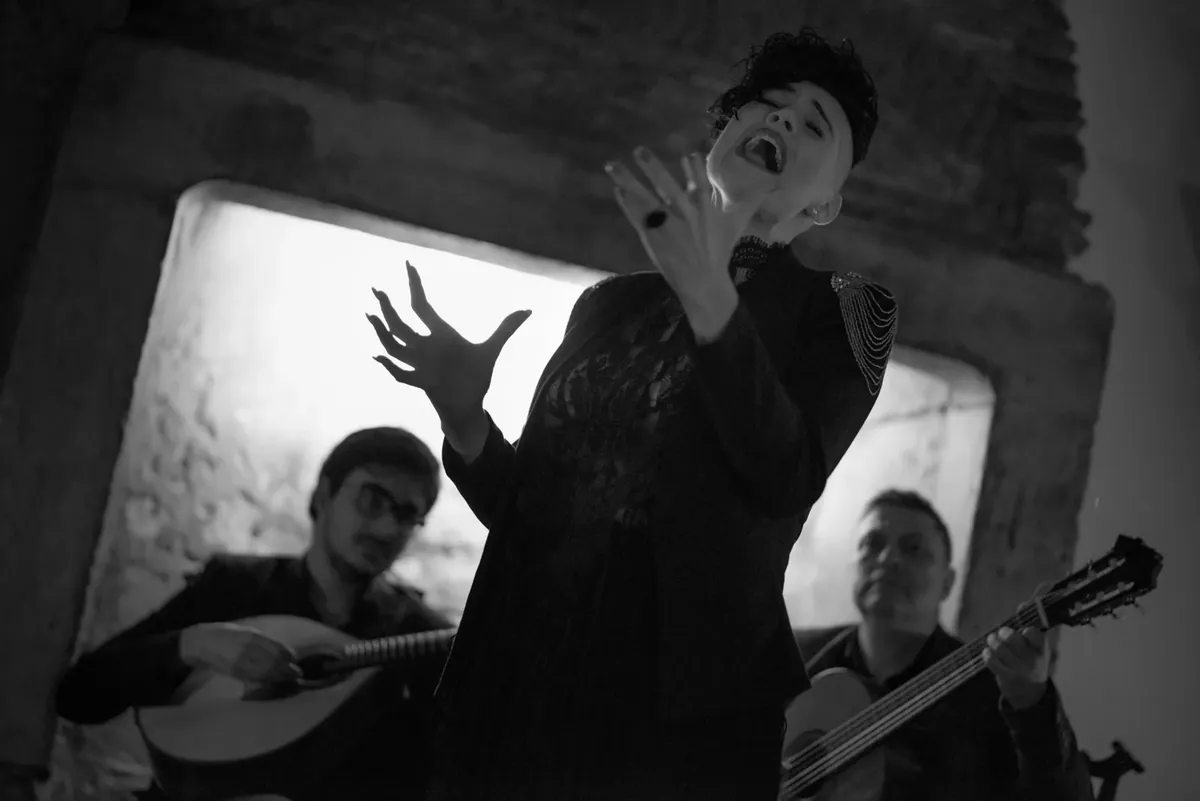
Specific contextual photograph or object image; not a license to reproduce any musical recording.
Credit: Jimmy Baikovicius from Montevideo, Uruguay
Rights: CC BY-SA 2.0
Fado brings poetry and solo singing into conversation with guitar accompaniment. UNESCO describes its formation through a mixture of Afro-Brazilian, local, rural and cosmopolitan urban musical influences. The Portuguese guitarra, a pear-shaped twelve-string cittern, is a characteristic partner to the singer. Fado exists in professional venues and concerts, but also in neighborhood associations and informal teaching relationships. Emigration has carried it into additional settings abroad. This entry resists the idea that a national musical symbol must have an isolated or pure origin: the practice shows how exchange and movement can become central to a strongly felt sense of belonging.
Why preserve it: Curatorial interpretation: A national emblem can emerge from migration and mixture rather than cultural separation.
Keep in mind: This Lisbon-centered account does not claim to summarize every Portuguese singing tradition or every regional fado practice.