




Māori haka
CA0020 · More culture · Aotearoa New Zealand; continuing Māori performance traditions
Historical / contextual reference
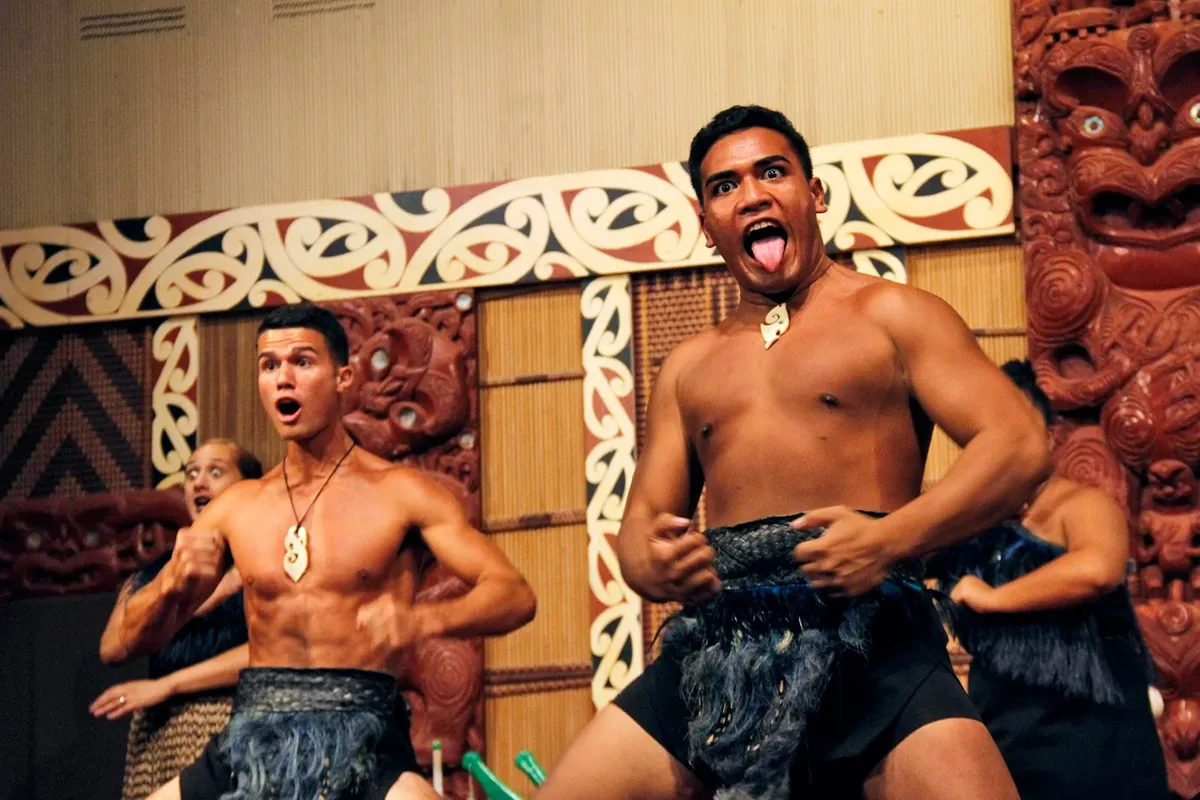
A documented performance, not an illustration of every haka tradition.
Credit: Raymonst3
Rights: CC BY-SA 4.0
Haka are varied Māori performances involving collective movement and voice, not one dance belonging only to a rugby team. The New Zealand Police’s cultural explanation describes forms connected to iwi identities and occasions including welcome, achievement, weddings and funerals. It also notes participation by both women and men and the place of haka within kapa haka performance. A useful ark entry should therefore introduce the category without pretending that one recording represents every form. When selecting a particular example, preserve its name, composer where known, affiliated community, words, translation and occasion. Those details make the performance intelligible as an expression of identity and relationship rather than a sequence of impressive gestures.
Why preserve it: Haka illustrates how coordinated performance can express welcome, remembrance, identity and political feeling. It challenges the tendency to interpret unfamiliar bodily expression only as aggression or entertainment.
Keep in mind: Do not flatten haka into a generic 'war dance' or treat all examples as interchangeable. Learn from appropriate Māori custodians before reenacting. Specific compositions, recordings and cultural obligations require their own attribution and reuse assessment.