




Epic of Gilgamesh
CA0014 · More culture · Ancient Mesopotamia; selected witness is a seventh-century BCE tablet from Nineveh, in present-day Iraq
Historical / contextual reference
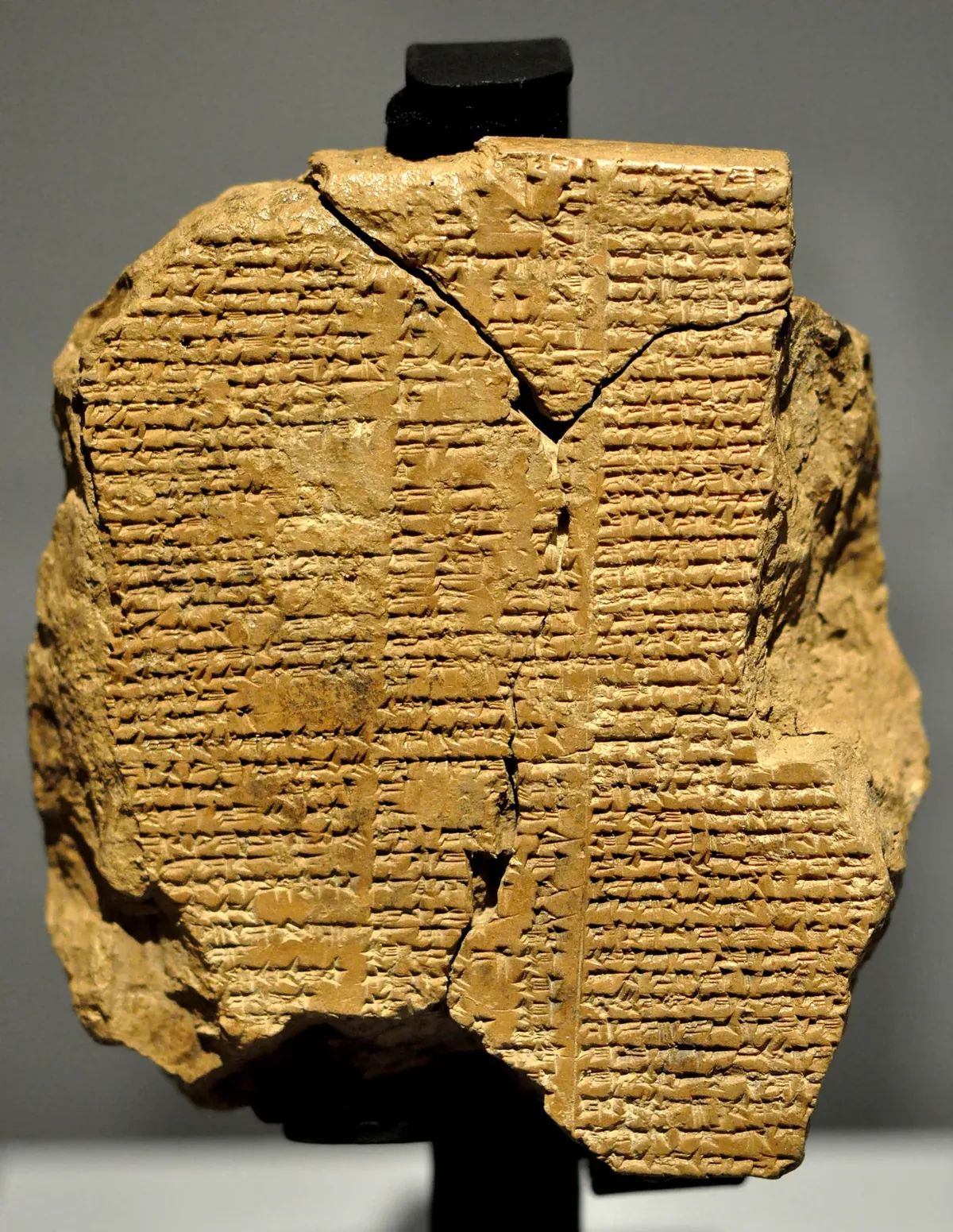
The image depicts Tablet V; the entry’s Flood Tablet is Tablet XI. Do not label this object as Tablet XI.
Credit: Osama Shukir Muhammed Amin FRCP(Glasg)
Rights: CC BY-SA 4.0
The Epic of Gilgamesh tells of a ruler of Uruk and his search for immortality. It survives through written witnesses rather than a single original book. One particularly useful object is the Flood Tablet, the eleventh tablet of the epic, preserved from the library of the Assyrian king Ashurbanipal at Nineveh. In it, Gilgamesh meets Utnapishtim, who describes surviving a divinely sent flood. The British Museum’s record explains that versions of the epic circulated across the ancient Near East. For the ark, pair the story with a description of the clay witness: readers should understand both an imagined world and the physical copying that allowed it to outlast its makers.
Why preserve it: This offers a long comparison for human fears about mortality and remembrance. It also shows that literature can survive through fragmentary objects, translations and repeated scholarly reconstruction.
Keep in mind: The seventh-century BCE date belongs to this surviving tablet, not the origin of the entire epic. Ancient stories are not literal eyewitness records. Modern translations and museum photographs may remain copyrighted.